Borobudur Temple Vector Illustration Graphics and Illustrations Review
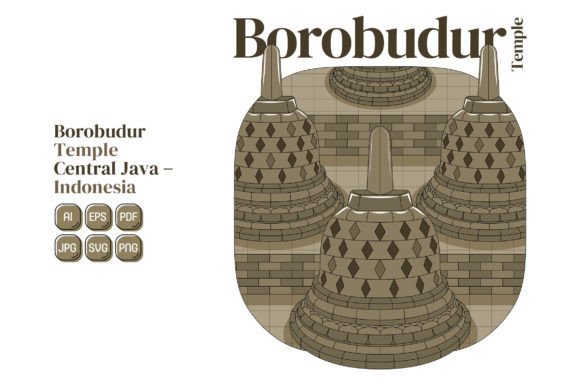
In the world of content marketing, visual consistency is not just an aesthetic choice; it is a strategic asset. As a brand designer who has spent years helping small businesses and digital entrepreneurs refine their visual identity, I have learned that the right graphic design asset can elevate a campaign from amateur to authoritative. Today, I am reviewing a specific addition to my toolkit: the Borobudur Temple Vector Illustration. This piece, part of a broader Indonesia Travel Destination Vector Illustration collection, offers a unique blend of cultural heritage and modern vector precision. For marketers, bloggers, and creative entrepreneurs, understanding how this illustration fits into a real-world workflow is essential for creating compelling marketing visuals.
First Impressions and Emotional Tone
When you first load the Borobudur Temple Vector Illustration into your design software, the immediate takeaway is its clean line work and balanced composition. Unlike raster images that can become pixelated when scaled, this SVG design maintains crisp edges, which is crucial for professional branding. The mood it creates is one of tranquility, history, and elegance. It does not scream for attention in a chaotic way; instead, it invites the viewer to pause and appreciate the intricate details of the temple’s stupas and niches.
This emotional tone makes it particularly suitable for lifestyle content, premium travel brands, and editorial graphics. If you are building a brand identity around mindfulness, slow travel, or cultural exploration, this illustration provides an instant anchor of authenticity. It feels less like a generic clipart and more like a curated element of a larger narrative. For social media managers looking to break the monotony of stock photography, this vector illustration offers a sophisticated alternative that stands out in a crowded feed without appearing cluttered or unprofessional.
Real-World Application: A Seasonal Campaign Scenario
To understand the practical value of this asset, let us frame it within a real marketing project. Imagine you are launching a seasonal offer for a boutique travel agency or a lifestyle brand introducing a new line of artisanal products inspired by Southeast Asian culture. You need to refresh your social media visuals, create a landing page banner, and design packaging inserts for a limited-edition product launch.
Using the Borobudur Temple Vector Illustration here allows for seamless integration across all touchpoints. Because it is a vector file, you can easily adjust the color palette to match your brand’s specific hex codes. Whether you are using soft pastels for a calming Instagram post or bold, earthy tones for a Facebook ad, the illustration adapts without losing quality. This flexibility supports stronger first impressions and clearer visual hierarchy, ensuring that your call-to-action remains the focal point while the temple illustration serves as a supportive, engaging background element.
Performance Across Marketing Channels
The versatility of this graphic design asset extends far beyond simple image placement. In the realm of brand identity, it can be used as a decorative accent in logo design or as a standalone icon for navigation bars in web design. For packaging design and product labels, the illustration adds a layer of perceived value, suggesting that the product inside is crafted with care and attention to detail, much like the ancient structure it depicts.
- Social Media Graphics: Use the illustration for Pinterest pins and Instagram posts to create visually distinct content that stops the scroll. Its vertical orientation works well for mobile screens, improving audience trust through consistent, high-quality aesthetics.
- Digital Ads and Banners: Incorporate the asset into hero graphics and campaign headers. The clean lines ensure readability even at smaller sizes, which is vital for display ads where space is limited.
- Editorial and Blog Content: Break up text-heavy articles with this illustration. It enhances editorial design by providing a visual anchor that complements serif fonts and long-form reading experiences.
- Printable Design and Merchandise: For small business owners selling stickers, posters, or t-shirts, the vector format ensures that the print output is sharp and vibrant, supporting better product presentation.
Strategic Branding Benefits
Integrating the Borobudur Temple Vector Illustration into your content marketing strategy offers several tangible benefits. First, it aids in building a more consistent branding presence. When every piece of content—from email banners to lead magnets—shares the same visual language, you strengthen recognition and foster an emotional connection with your audience. Second, it improves engagement. Users are more likely to interact with content that feels professionally designed rather than hastily assembled. Finally, it contributes to a professional appearance that signals credibility, which is essential for converting visitors into customers.
Furthermore, this asset supports better product presentation. By surrounding your product with culturally rich imagery, you create a context that elevates the perceived worth of the item. This is particularly effective for creative entrepreneurs and online coaches who sell digital products or courses related to travel, culture, or design. The illustration acts as a visual metaphor for depth, history, and structure, qualities that resonate with educated and discerning audiences.
Ideal Use Cases for the Asset
This illustration shines brightest when used as a hero graphic, a campaign header, or a branded template element. It is also excellent for social media covers and promotional banners where you want to convey a sense of place without overwhelming the text. For digital product visuals, such as Canva templates or printable planners, the temple illustration adds a touch of sophistication that appeals to users seeking organized and aesthetically pleasing tools.
Areas Requiring Caution
However, no single asset is a silver bullet. There are situations where the Borobudur Temple Vector Illustration should be used carefully. For formal corporate branding in sectors like finance or legal services, the cultural specificity might feel out of place unless heavily abstracted. In dense information layouts, the detailed lines of the temple could compete with data points, confusing the user. Similarly, on low-contrast backgrounds or overly minimal brands, the illustration may get lost or appear too heavy. Always test the asset against competitor visuals to ensure it differentiates your brand rather than blending in.
Practical Designer Notes for Implementation
Before deploying this graphic design asset in a paid campaign or client work, I recommend following these practical steps to ensure optimal results. First, test the illustration with your brand color palette. Adjust the opacity or hue to ensure it harmonizes with your primary and secondary colors. Second, check the black and white usage. Convert the vector to grayscale to verify that the structural integrity holds up without color support.
Place the asset inside real campaign mockups to see how it interacts with typography. Does it pair well with your chosen font styles? Compare its performance with serif fonts for a classic look, sans serif fonts for modernity, and script fonts for a personal touch. Review the spacing and balance to ensure the illustration does not crowd your message. Additionally, preview the design on mobile screens to confirm readability in small sizes. Finally, and most importantly, review the commercial licensing agreement. Ensure you have the right to use the PNG design or SVG design in your specific context, whether for a digital product, a physical print run, or a social media promotion.
The Borobudur Temple Vector Illustration is more than just a pretty picture; it is a versatile tool for content creators and small business promotion. By integrating it thoughtfully into your visual hierarchy, you can create memorable campaign visuals that attract attention, build trust, and drive engagement. Whether you are designing infographics, website headers, or merchandise, this asset provides the foundation for a cohesive and professional brand identity.